
Define an FCR repeat-contact window that matches the customer issue
Build an issue-based first-contact-resolution measure with mature observation windows and cross-channel identity rules.
Read the guide
Introduce connected voice, WhatsApp, SMS and email workflows without creating duplicate cases or abandoned conversations.
Roll out omnichannel service by connecting one useful customer journey first. Define identity matching, conversation ownership, response expectations, permissions and escalation before adding channels. A shared inbox creates value when the next person can understand the issue and complete the next action without asking the customer to start again.
Part of our guide: Contact center software
Start where customers already move between channels. A support enquiry might begin on a call, require a photograph through messaging and end with an email confirmation. A booking might move from an unanswered call to a callback and a reminder. These are practical pilot journeys because lost context is easy to recognise.
Write the existing process in plain language: what arrives, who sees it, where information is stored and how completion is recorded. Identify duplicate entry, delayed ownership and repeated customer questions. Define the pilot outcome in operational terms, such as every open enquiry having an owner and a documented next action, rather than an unsupported percentage improvement.
A shared customer view depends on identity rules that people can correct. Decide how phone numbers, email addresses and CRM identifiers connect. Consider shared numbers, multiple contacts at one company and customers who write from a different address. Do not assume that matching a telephone number establishes permission to disclose account details.
Create a process for merging duplicates, separating mistaken matches and updating changed contact details. Record who can perform those actions and which system owns the final record. Test with a small sample of realistic contact patterns before a large import. Identity errors can spread across channels quickly when every conversation uses the same profile.
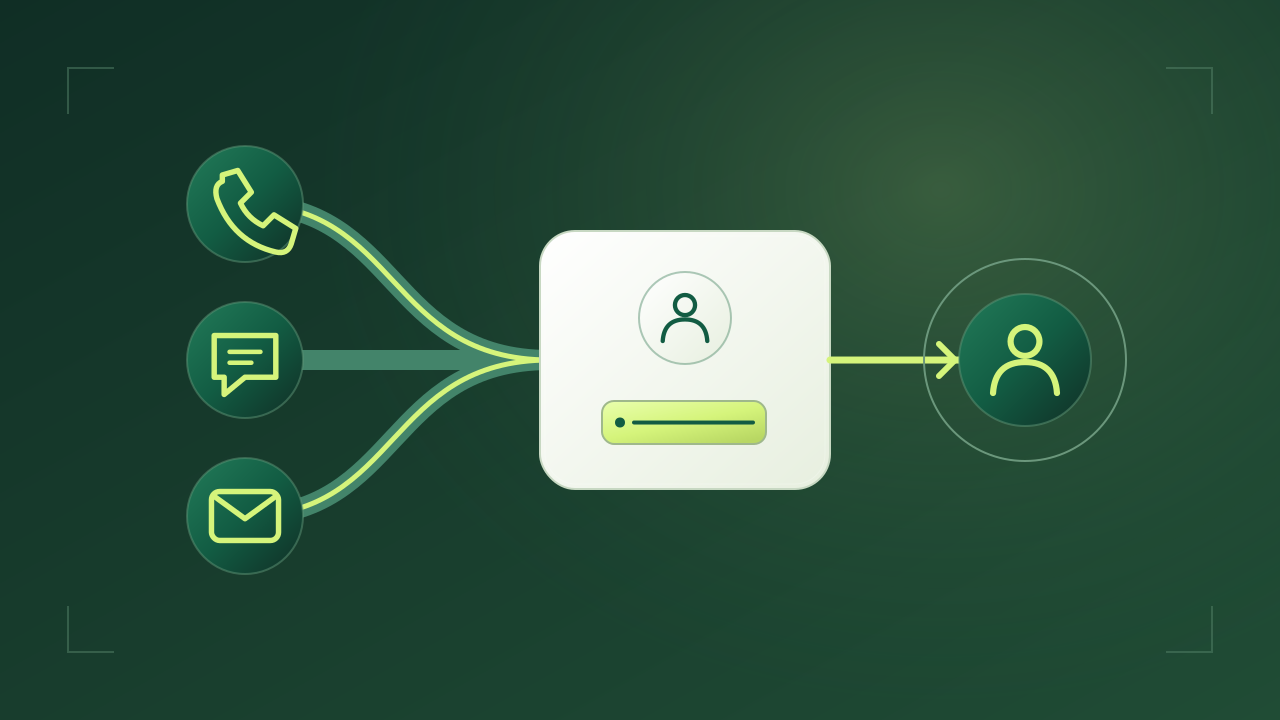
Start with one journey that crosses channels.
A conversation visible to everyone can still belong to nobody. Define queue ownership, individual assignment, transfer acceptance and escalation timers. Clarify whether the original owner remains responsible when a customer changes channel, and what happens when that person is off shift.
Use states that reflect the work: new, assigned, in progress, waiting for customer, waiting for another team and complete. Agree what closes a conversation and what reopens it. A response sent is not always a resolution. Give supervisors a view of old unowned work and promises due today, not only a count of messages received.
Customers experience a phone queue differently from asynchronous email or messaging. Publish response expectations you can staff, and make opening-hours behaviour clear. Decide when messaging should become a call, when a customer needs a secure channel and how attachments or sensitive details should be handled.
Prepare templates for common transitions, then review them for accuracy and tone. A template should explain the next step and avoid promising an action that has not happened. Check the current rules of each messaging service and your own consent and retention policies before launch. Platform connectivity does not by itself determine what messages a business is permitted to send.
Ask a pilot agent to find the customer's earlier call, read the latest message, inspect the CRM context, respond, transfer ownership and record the outcome. Then have a second agent continue the same enquiry. Observe whether context survives and whether both people understand which information has been verified.
DialerBee describes voice, WhatsApp, SMS and email threads in one inbox with Customer 360 context and queue assignment. Demonstrate your own CRM and messaging setup before agreeing scope. Confirm what is native, what needs configuration and what needs integration work; a familiar CRM logo or an iframe is not evidence of every two-way workflow you require.
Review unresolved work, duplicate contacts, repeated identity checks, reopened conversations and broken promises. Compare like periods and similar journeys. A rise in messaging volume may indicate improved accessibility, channel switching or repeated follow-up, so it needs interpretation before being called success or failure.
Expand only after the pilot has a workable owner model and the team can explain exceptions. Train the next team using real pilot cases and update templates when policies change. Omnichannel service is a continuing operating discipline. The software supports that discipline, but it cannot assign accountability that the business has never defined.
Usually a staged rollout makes ownership and integration problems easier to identify. Start with a journey your team can support and expand from evidence.
Not necessarily. Decide which system owns customer data, cases and commercial history, then test how information moves between them.
Prepared by the ContactCenter.me editorial team, a BroadNet resource powered by DialerBee. Product statements reflect the linked documentation checked 2026-11-25. Operational examples are planning guidance. Read our editorial standards and commercial disclosure.
Get a suggested DialerBee demonstration agenda based on how your team works.
Measure how many eligible cases were resolved without a repeat contact.
Calculate customer satisfaction from positive responses and total valid survey responses.

Build an issue-based first-contact-resolution measure with mature observation windows and cross-channel identity rules.
Read the guide
Definitions and formulas for the twelve contact center KPIs teams use most, what each one hides, and which metrics to read together.
Read the guide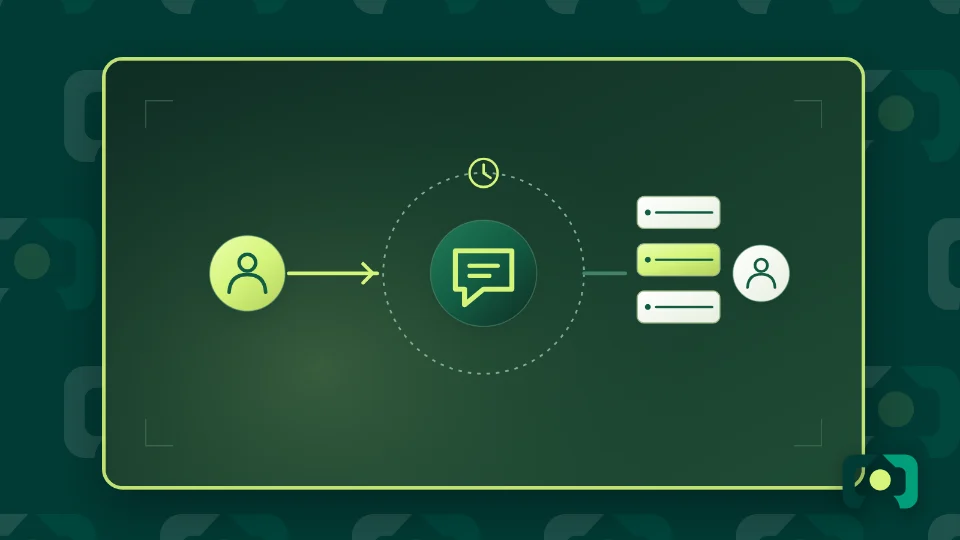
How the WhatsApp Business Platform works for customer service teams: the 24-hour customer service window, template categories, per-message pricing, opt-in rules and how to staff WhatsApp alongside voice.
Read the guideExplore your requirements with a DialerBee specialist. Bring your workflows, your carrier, and your questions.